Please read this cookie policy (“cookie policy”, "policy") carefully before using the perdata.com.au website (“website”, "service") operated by PerData Pty Ltd ("us", 'we", "our").
What are cookies?
Cookies are simple text files that are stored on your computer or mobile device by a website’s server. Each cookie is unique to your web browser. It will contain some anonymous information such as a unique identifier, website’s domain name, and some digits and numbers.
What types of cookies do we use?
Necessary cookies
Necessary cookies allow us to offer you the best possible experience when accessing and navigating through our website and using its features. For example, these cookies let us recognize that you have created an account and have logged into that account.
Functionality cookies
Functionality cookies let us operate the site in accordance with the choices you make. For example, we will recognize your username and remember how you customized the site during future visits.
Analytical cookies
These cookies enable us and third-party services to collect aggregated data for statistical purposes on how our visitors use the website. These cookies do not contain personal information such as names and email addresses and are used to help us improve your user experience of the website.
How to delete cookies?
If you want to restrict or block the cookies that are set by our website, you can do so through your browser setting. Alternatively, you can visit this Google page, which contains comprehensive information on how to do this on a wide variety of browsers and devices. You will find general information about cookies and details on how to delete cookies from your device.
Contacting us
If you have any questions about this policy or our use of cookies, please contact us.
This site uses cookies. Cookies help us deliver the best experience on our website.
Introducing PerData, formerly ITeMGroup A fresh take on decades long experience.
After over 20 years partnering with some of the most recognisable brands in Australia, we thought it was time to update our name and brand to better communicate how we make technology more bankable. We’re still independent, we’re financially strong, no contracts have changed, and our team remains completely consistent.
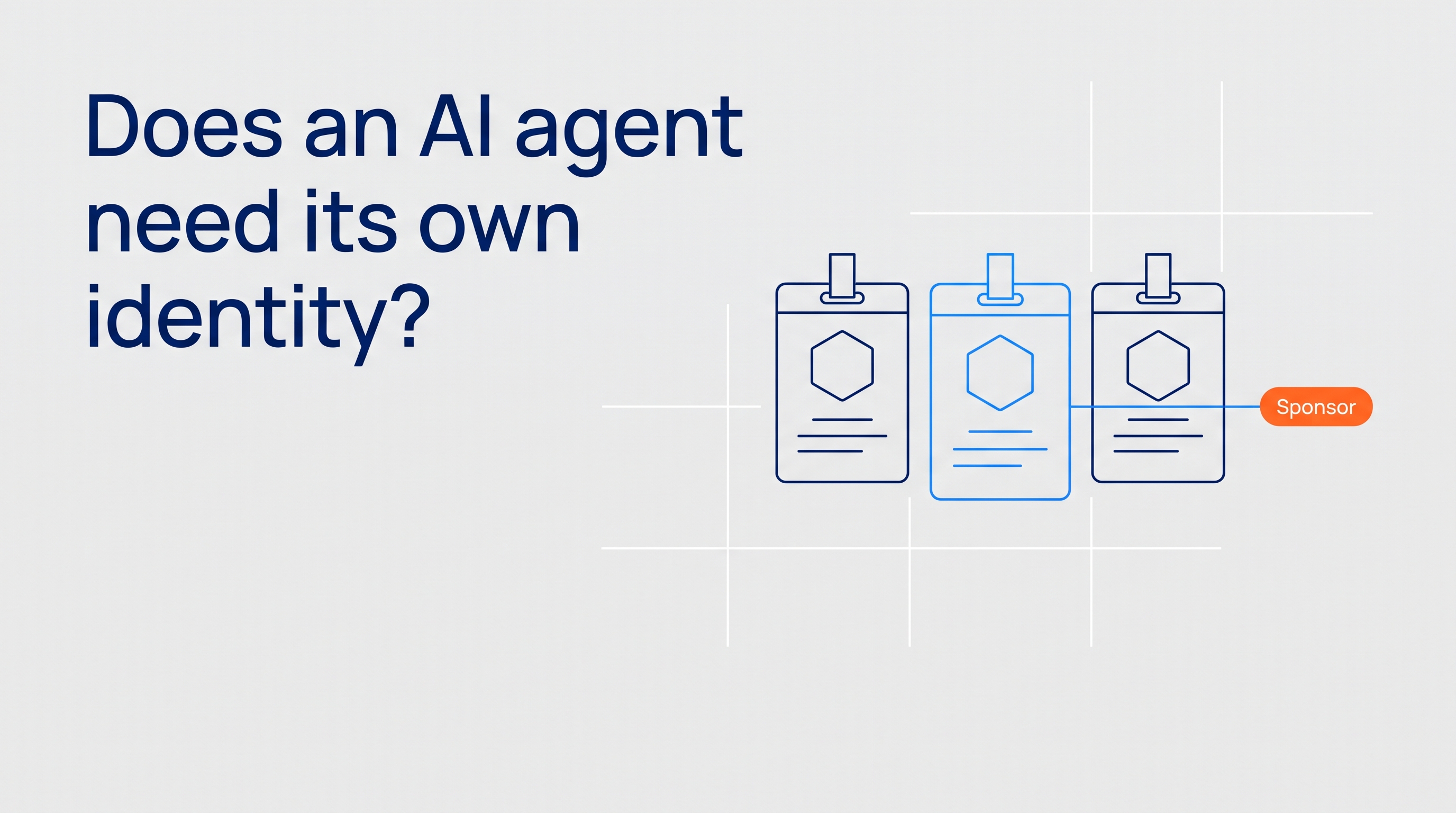
Yes. An agent that runs on a person's account or a shared key can't be told apart from that person in your logs, can't be switched off without breaking something else, and can't be properly listed on your register. Microsoft Entra Agent ID, now generally available, gives each agent its own identity, a named human sponsor who is accountable for it, and access policies of its own.
The problem with borrowed credentials
Picture an agent that reconciles invoices, set up quickly during a pilot using Sarah from Finance's account. It works well. Then Sarah goes on leave or leaves the company. Disable her account, and the agent stops. Keep her account alive, and you now have a "person" in your directory who isn't a person.
Worse, your audit logs say Sarah did everything the agent did.
Token Security's CEO describes this as the shift from agents that run for a single task to AI "coworkers" with standing access. His warning is that standing privileges, creeping access and agents running on borrowed human credentials make audit trails unreliable. In October we shared research finding that 60% of organisations couldn't terminate a misbehaving agent. Borrowed credentials are a big part of why.
What Microsoft Entra Agent ID gives you
An agent identity is a special type of service principal in Microsoft Entra ID, built for AI agents. A few features matter most:
No credentials of its own. Each agent is created from a reusable blueprint that holds the credentials, so there are no secrets scattered across individual agents.
A named sponsor. Each agent can record the human or group accountable for it, so someone gets the call when something goes wrong.
Access policies for agents. Conditional Access now includes agent-specific policies, including blocking high-risk agent identities and separate policies for agents acting on their own and agents acting on behalf of a user.
Control by kind. Because agents from one blueprint share a kind, you can apply a policy to all of them or disable all of them at once.
Tenant boundaries. An agent identity can only get tokens in the tenant where it was created.
Microsoft is also bringing its agent registry experiences together under Microsoft Agent 365, with Entra providing the identity underneath.
How this connects to your register
If you've built an automated decision register (see What goes in an automated decision register?), an agent's sponsor is the natural owner in column 12. An agent with its own identity can be listed, reviewed and switched off on its own. One that borrows a person's account can't.
Five checks for your agents
List every agent in your organisation and what account or key it uses to sign in.
Move agents off personal accounts and shared keys onto their own identities. For Azure workloads, managed identities are the starting point.
Name a sponsor for every agent.
Apply Conditional Access policies by agent kind, not one agent at a time.
Test the off switch: disable an agent and confirm it has stopped within ten minutes.
FAQ
How is an agent identity different from a service principal? It's a special kind of service principal designed for agents. It's created from a blueprint, doesn't hold its own credentials, and can record a human sponsor.
Do we need this for a pilot? If the agent touches personal information or takes actions, yes. Pilots are exactly when borrowed credentials creep in, and they rarely get fixed later.
What about agents that act on behalf of a user? Conditional Access includes a separate policy for agents acting on behalf of a user, so you can treat them differently from autonomous agents.
Does it cost extra? Microsoft has introduced new service plans for Conditional Access and ID Protection for agents, so check licensing before you plan your rollout.
Building or scaling AI agents? Our AI Landing Zone Assessment reviews identity, network and gateway design before anything goes live.
About the author Timotius Devin is AI Lead at PerData Technology Partners in Melbourne. At PerData he helps Australian organisations design, govern and deploy AI.
Microsoft 365 Message Center (MC1395007), Microsoft Entra: New service plans for Conditional Access and ID Protection for agents: https://mc.merill.net/message/MC1395007
Rapid and rigorous project process to make your project startable.
Rapid and rigorous project process to make your project sustainable